Physiotherapy Services in Burnaby
General Physical Therapy Services
Conditions We Treat
Orthopedics and musculoskeletal conditions
such as neck pain, lower back pain, lumbo-pelvic-hip pain and dysfunction, knee and ankle pain, shoulder pain, and soft tissue injuries; muscle strain; and ligamentum sprains.
Pain Management
Implementing various techniques to manage chronic pain conditions, such as arthritis or fibromyalgia, through a combination of therapeutic exercises, manual therapy, and other modalities.
Posture and Movement Correction
Assessing and correcting poor posture and movement patterns to prevent strain and injury.
Rehabilitation
Assisting patients in recovering from surgery, injury, or illness through targeted exercises and therapies aimed at restoring normal function and movement
Assessment and Diagnosis
Evaluating a patient’s condition through physical examinations and medical history to determine the underlying issues and plan an appropriate treatment strategy.
Education and Advice
Providing patients with information about them condition, guidance on lifestyle changes, ergonomic advice, and strategies to manage symptoms and prevent recurrence.
Exercise Prescription
Designing individualized exercise programs to improve strength, flexibility, endurance, and overall physical fitness.
Manual Therapy
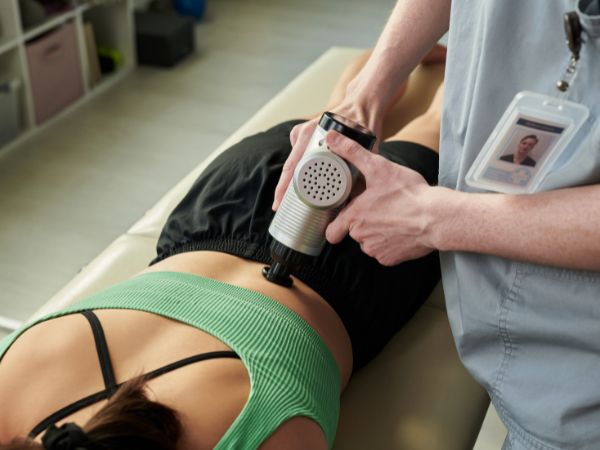
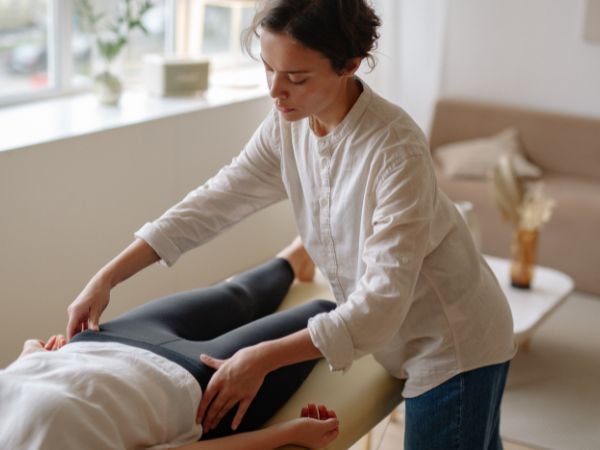
Manual therapy involves using hands-on techniques such as massage and mobilization to relieve pain and restore movement in the muscles and joints.
Electrotherapy
Utilizing electrical modalities to promote healing, reduce pain, and improve muscle function. This includes treatments like Shockwave Therapy, therapeutic ultrasound, and laser therapy.
Functional Training
Helping patients improve their ability to perform daily activities and tasks, often through task-specific exercises and training.
What Do We Do?
After taking a detailed history and a comprehensive physical examination, based on the assessment findings, an individualized treatment plan will be implemented. In this clinic, we follow a holistic approach to do assessments, provide treatment plans, and apply interventions. We also collaborate with other healthcare professionals to optimize patient care.
Treatment Options
Treatments may include one or more of the following options:
• Education
• Lifestyle modifications
• Pelvic floor muscle training
• Relaxation, and Breathing Techniques
• Hands-on treatments, and Manual techniques as needed.
• Exercises, and Postural retraining
• Functional Training
Your Comfort & Privacy
We recognize that pelvic health concerns affect people of different ages, genders, and levels of physical ability, and our setting intentionally reflects this. Everyone is welcome and comfortable enough to feel like they belong to this clinic.
We understand the highly sensitive nature of many of the conditions we treat and pride ourselves on our ability to put patients’ minds at ease by allowing them to talk about their concerns in an open way. All our clinic rooms are private, and all information is kept strictly confidential.
Pelvic Health Physiotherapy
Conditions We Treat
As a pelvic health physiotherapist, we are likely involved in assessing, diagnosing, and treating various conditions related to pelvic floor muscle dysfunction, such as:
- Pelvic Pain
- Sexual Dysfunction
- Urinary incontinence
- Bowel Dysfunction
- Pelvic Organ Prolapse
- Pre- and Post-Surgical Rehabilitation
Women Health Physiotherapy
Common Conditions We Treat
Low Back Pain and Pelvic Pain
Low back pain is commonly experienced during pregnancy and after giving birth. Changing hormone levels affect the ligaments supporting the lower back area, causing weakness during pregnancy and for up to six months after birth. The growth of the fetus and giving birth influence the abdominal and pelvic muscles; this decreases their strength, diminishes the support offered to the spine and sacroiliac joints, and can result in injury and pain in the pelvis and lower back regions.
How can physiotherapy be helpful?
A pelvic health physiotherapist can manage your pain, teach you proper techniques to protect your joints, teach you exercises to keep you fit during your pregnancy, and assist with your recovery after giving birth.
Diastasis Recti
Commonly referred to as “Mummy Tummy”, Diastasis Recti is abdominal muscle separation during pregnancy and labour. When your abdominals are stretched and separated, they are no longer able to adequately stabilize your low back and pelvis.
How can physiotherapy be helpful?
A pelvic health physiotherapist can help ensure the integrity of abdominal muscles is maintained by showing you exercises to perform during pregnancy that aids recovery postpartum where a diastasis is present.
Stress Urinary Incontinence
The unintentional, unwanted, or involuntary leaking of urine from the bladder is known as urinary incontinence. Stress Urinary incontinence often happens when you cough, sneeze, or exercise, and is commonly caused by poor control of already weak pelvic floor muscles.
How can physiotherapy be helpful?
Pelvic floor muscle training is known as the most effective treatment for stress urinary incontinence. Whether you are just starting to experience the symptoms of stress urinary incontinence or have suffered with this problem for years, seeking a pelvic health physiotherapist can be the first step in regaining control of your bladder and your quality of life.
Additional Conditions We Support
We also offer treating other conditions such as pelvic organ prolapse, prenatal and postnatal musculoskeletal issues, Premenstrual syndrome, Dysmenorrhea, Endometriosis, and Post-menopausal symptoms. Additionally, we provide support and guidance for women undergoing C-Section, and gynecological surgeries such ac Hysterectomy.
Bone Health Services
Understanding Bone Health
Bones are the structural framework of the human body, providing support, protection, and mobility essential for daily activities. Beyond their mechanical functions, bones also serve as reservoirs for minerals like calcium and phosphorus, crucial for maintaining overall bodily function. Proper bone health is essential for maintaining posture, balance, and preventing fractures and injuries.
Osteoporosis Awareness
Osteoporosis is a chronic condition characterized by reduced bone mineral density and
deterioration of bone strength and structure. It develops gradually over time and often remains
symptom-free until a fracture occurs. It affects both women and men across all populations.
As bones become weaker and more porous, the risk of fractures increases, which can
significantly impact mobility, independence, and quality of life and may lead to increased
healthcare costs and serious complications, especially after hip fractures. It is estimated that
more than 200 million people worldwide are affected by osteoporosis, with prevalence increasing
due to aging populations and hormonal changes in women, particularly after menopause.
It is estimated that more than 200 million people worldwide suffer from this disease, which is increasing with the process of aging and menopause in women. The International Osteoporosis Foundation recognizes October 20 as World Osteoporosis Day,
an annual campaign dedicated to raising awareness about bone health, fracture prevention,
early screening, and effective management strategies to reduce the burden of osteoporosis
worldwide.
How Physiotherapy Helps
Physiotherapy can play a role in improving and maintaining bone density through targeted exercises and interventions. Weight-bearing and resistance exercises, such as walking, jogging, weightlifting, and resistance training, can help stimulate bone growth and increase bone density. We can develop personalized exercise programs that focus on strengthening bones and muscles, improving balance and coordination, and reducing the risk of falls and fractures. Additionally, we provide education on proper posture, and lifestyle modifications to support bone health.
Whether you are dealing with pain, recovering from injury, or looking to improve your overall physical health, we are here to support you every step of the way.